





Email marketing remains one of the most powerful and cost-effective digital marketing channels available today. Despite the rapid growth of social media, influencer marketing, and AI-driven advertising, email marketing continues to deliver consistent and measurable results for businesses across all industries. When executed correctly, it not only drives sales but also builds long-term customer relationships and brand loyalty.
This article explores what email marketing is, why it is so effective, and how businesses can create email campaigns that truly increase sales.
What Is Email Marketing?
Email marketing is a digital marketing strategy that involves sending targeted messages to customers and potential customers via email. These messages can include newsletters, promotional offers, product launches, updates, educational content, and automated follow-ups.
Unlike many other marketing channels, email marketing allows businesses to directly reach their audience in a personal space—their inbox. This direct connection gives brands more control over communication and messaging.
Why Email Marketing Is So Effective
Email marketing continues to outperform many other digital marketing channels for several key reasons.
1. High Return on Investment (ROI)
Email marketing consistently delivers one of the highest ROIs in digital marketing. With relatively low costs and strong conversion potential, businesses can generate significant revenue from well-planned email campaigns.
2. Direct and Personal Communication
Emails allow businesses to communicate directly with their audience. Unlike social media posts or ads that compete for attention, emails arrive in a dedicated inbox, making them more likely to be seen and read.
3. Data-Driven and Measurable
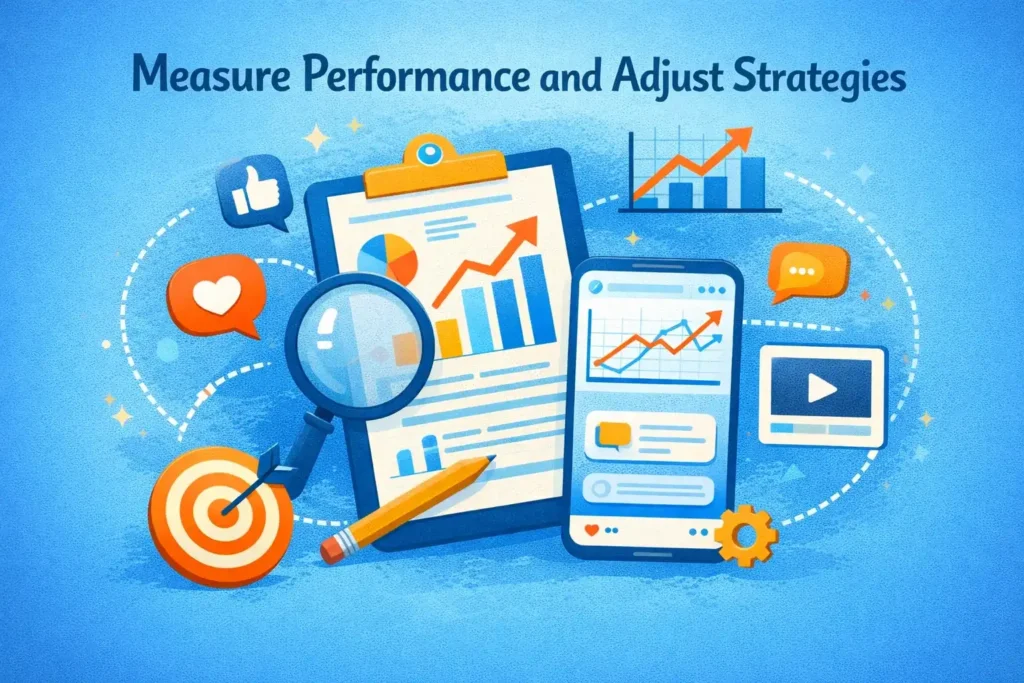
Email marketing provides detailed insights such as open rates, click-through rates, conversions, and revenue. These metrics allow marketers to continuously analyze performance and optimize campaigns.
4. Builds Long-Term Relationships
Consistent and valuable email communication helps build trust over time. Customers who trust a brand are more likely to make repeat purchases and recommend the business to others.
Building a Strong Email List
A successful email marketing strategy starts with a high-quality email list. The focus should always be on quality over quantity.
Best Ways to Grow an Email List
- Website sign-up forms
- Lead magnets (eBooks, guides, checklists)
- Discounts or exclusive offers
- Account registration or checkout opt-ins
- Events and webinars
Avoid buying email lists. Purchased lists usually lead to low engagement, spam complaints, and potential damage to your brand’s reputation.
The Power of Segmentation
Segmentation is one of the most important elements of effective email marketing. It involves dividing your email list into smaller groups based on specific criteria.
Common Segmentation Factors
- Demographics
- Purchase history
- Browsing behavior
- Interests and preferences
- Engagement level
Segmented email campaigns are significantly more effective than generic mass emails because they deliver relevant content to the right audience at the right time.
Personalization That Drives Sales
Modern email marketing goes far beyond simply adding a subscriber’s name to an email. Advanced personalization uses customer data to tailor content, offers, and messaging.
Examples of Effective Personalization
- Product recommendations based on past purchases
- Abandoned cart
- Personalized discounts or promotions
- Location-based offers
- Behavior-triggered emails
Personalized emails make recipients feel understood, which increases engagement and conversion rates.
Creating Content That Converts
The success of an email campaign depends heavily on its content. Every element should work together to guide the reader toward a clear action.
Writing Strong Subject Lines
The subject line determines whether an email is opened or ignored. A strong subject line should:
- Be clear and relevant
- Create curiosity without being misleading
- Communicate value
- Be short and compelling
Clear and Focused Messaging
Each email should have one main purpose. Avoid overwhelming readers with too much information. Focus on a single message and support it with concise, engaging content.
Effective Call-to-Action (CTA)
A strong CTA tells the reader exactly what to do next. Examples include:
- Buy Now
- Learn More
- Get the Offer
- Book a Demo
CTAs should be visible, clear, and action-oriented.
Email Automation: Work Smarter, Not Harder
Email automation allows businesses to send the right message at the right time without manual effort. Automated campaigns are triggered by user actions or specific conditions.
Common Automated Email Flows
- Welcome emails for new subscribers
- Post-purchase follow-ups
- Abandoned cart emails
- Re-engagement campaigns
- Birthday or anniversary emails
Automated emails often generate higher engagement because they are timely and relevant.
Mobile Optimization Is Essential
A large percentage of emails are opened on mobile devices. If your emails are not mobile-friendly, you risk losing potential sales.
Best Practices for Mobile Optimization
- Use responsive email templates
- Keep text short and readable
- Use clear buttons instead of small links
- Optimize images for fast loading
A seamless mobile experience improves both engagement and conversions.
Testing and Optimization
Successful email marketing is an ongoing process. Continuous testing and optimization are essential for long-term success.
A/B Testing Ideas
- Subject lines
- CTA buttons
- Email layout and desi
- Send times and days
- Personalization elements
By analyzing test results, businesses can refine their strategies and steadily improve performance.
Common Email Marketing Mistakes to Avoid
Even experienced marketers can make mistakes that reduce campaign effectiveness.
Common Pitfalls
- Sending too many emails
- Poor segmentation
- Generic, irrelevant content
- Lack of a clear CTA
- Ignoring analytics and performance data
Avoiding these mistakes helps maintain subscriber trust and improves overall campaign results.
Email Marketing as Part of a Bigger Strategy
Email marketing works best when integrated with other digital marketing channels such as content marketing, social media, and search engine optimization. Together, these channels create a cohesive customer journey that supports awareness, engagement, and conversion.
The Future of Email Marketing
As technology evolves, email marketing continues to adapt. AI-powered personalization, predictive analytics, and interactive email content are shaping the future of this channel. Businesses that stay up to date with trends and focus on customer experience will continue to benefit from email marketing in the years ahead.
Conclusion
Email Marketing – Effective Campaigns That Increase Sales is not just a concept—it is a proven strategy. By building a quality email list, using segmentation and personalization, creating compelling content, and leveraging automation, businesses can turn email marketing into a powerful revenue-generating channel.
When done correctly, email marketing delivers consistent results, strengthens customer relationships, and supports long-term business growth.