





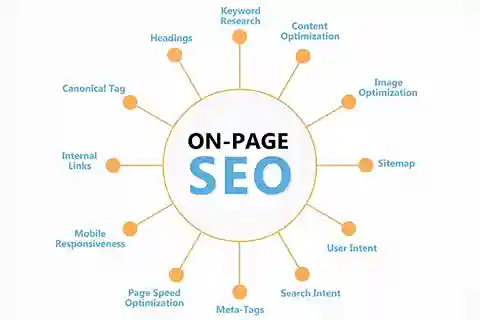
On-page optimization is one of the most important factors behind a website that performs well in search results and delivers a strong user experience.On-Page SEO affects how search engines understand your content and how users interact with each page. When implemented correctly, it improves visibility, increases organic traffic, and boosts engagement without relying solely on paid advertising. A well-optimized website not only ranks higher but also provides real value to visitors, helping them find information easily, build trust in your brand, and take meaningful action.
Why On Page SEO Matters for Modern Websites
A successful On Page SEO strategy brings together technical accuracy and human-focused content. It ensures that every page communicates clearly with both search engines and real
users, creating a balance between optimization and usability.
Content Optimization Essentials
- Clear, well-structured content that answers user questions
- Natural placement of keywords without overuse
- Proper use of headings for readability and hierarchy
- Internal linking to guide users and search engines
Technical Page Enhancements
- Optimized title tags and meta descriptions
- Clean and descriptive URLs
- Image optimization with relevant alt text
- Fast-loading pages and mobile responsiveness
Keyword Research and Search Intent Alignment
Any good on page SEO plan starts with keyword research. It doesn’t only look for popular search phrases; it also tries to figure out what people really want when they put something into a search engine. Websites may get more visitors who are likely to engage and convert by making sure their content matches what people are looking for.To understand intent, you need to know if users are looking for information, comparing options, or ready to make a choice. Pages that are optimized with this knowledge tend to do better since they meet expectations instead of just trying to get higher ranks.
Content Structure and Readability Best Practices
Search engines like material that is helpful, easy to read, and well-organized. A clear structure makes it easy for both users and crawlers to find their way around your sites. Proper formatting also lowers bounce rates by making it easy to find information at a glance.Headings separate up issues, short paragraphs make the writing flow better, and clear language keeps readers interested. Visitors will stay on your website longer and interact with it more if you do this.
Optimizing HTML Elements for Better Visibility
HTML elements play a crucial role in on page SEO that how search engines interpret your pages and evaluate their relevance. Elements such as title tags, meta descriptions, headers, and image attributes all send important signals about the topic, structure, and quality of your content. When these elements are properly implemented, they help search engines crawl, index, and rank your pages more accurately.Optimized HTML elements also improve click-through rates from search results by making your listings more appealing and informative to users. Clear, well-written titles and meta descriptions encourage users to choose your page over competitors, while structured headers make content easier to scan and understand.
Technical Signals That Support Performance
Strong on page SEO also considers technical signals that affect performance. These include page speed, mobile usability, and secure connections. While these factors may seem technical, they directly impact how users interact with your site.
Page Speed and Performance
- Faster load times reduce bounce rates
- Optimized images and scripts improve efficiency
- Clean code enhances crawling and indexing
Mobile-Friendly Design
- Responsive layouts for all screen sizes
- Easy navigation on mobile devices
- Improved accessibility and usability
Internal Linking and Site Architecture
Internal linking helps spread authority across your site and directs readers to material that is related and useful. Internal links make sure that link equity flows across the site by carefully linking pages together. This helps both high-priority and supporting pages. A well-planned and logical site architecture makes it easy for users to find key pages and for search engines to index them quickly. This cuts down on crawl problems and makes the site more visible overall.Clear internal connections also make it easier for users to find their way across your website by giving them clear paths to further content.
User Experience as a Ranking Factor
User experience is becoming more and more crucial for on page SEO since search engines look closely at how people utilize web pages. Time spent on a page, bounce rates, scrolling behavior, and general engagement are all important signs that a page satisfies user expectations. Over time, pages that are easy to read, provide clear value, and have a layout that is easy to grasp tend to do better in search results.To make the user experience better, you need to focus on easy navigation, sites that load quickly, clear calls to action, and content that is well-organized and meets the needs of the user.
Measuring and Improving On-Page Performance
Search engine algorithms and user behavior are always changing, thus continuous improvement is the key to long-term SEO success. Regular audits help find problems with content, find technological problems, and find new ways to improve that might not have been spotted otherwise. Businesses may enhance their SEO tactics, fix weak spots, and adjust to shifting search trends and competitive landscapes by regularly looking at performance data.
Analytics platforms and search console reports are two examples of tools that can help you understand how visitors interact with your site, how well your keywords are doing, how well your site is indexed, and how healthy it is overall.
Advanced Content Optimization Techniques
Beyond basics, advanced optimization focuses on enhancing content depth, relevance, and authority. This includes using semantic keywords, structured data, and content updates to maintain freshness.
Content Enhancement Strategies
- Updating outdated information
- Expanding content to cover related topics
- Improving clarity and depth based on user feedback
The Role of Professional Expertise
While basic optimization can be handled in-house, professional expertise adds strategic depth and technical accuracy. Experienced specialists understand algorithm updates, industry trends, and best practices that evolve over time.Working with a trusted provider like abramsoft ensures that on-page efforts are aligned with current standards and business goals. Professional guidance reduces errors, saves time, and accelerates results.
Conclusion
On-page optimization is a critical component of sustainable on page SEO success, influencing how search engines rank pages and how users interact with content. By focusing on quality, structure, and usability, businesses can improve visibility, engagement, and conversions over time. Consistent efforts, combined with strategic expertise, create a strong foundation for long-term growth. With the right approach and professional support from abramsoft, websites can achieve measurable improvements and maintain a competitive edge in search results.
Frequently Asked Questions (FAQs)
What is On Page SEO and why is it important?
On Page SEO involves optimizing individual web pages to improve search visibility and user experience. It is important because it helps search engines understand content while making pages more useful for visitors.
How long does it take to see results from on-page optimization?
Results vary depending on competition and website condition, but improvements are often visible within a few weeks to a few months as search engines re-crawl and index changes.
Is On Page SEO suitable for small businesses?
Yes, on page SEO is especially beneficial for small businesses because it improves organic visibility without relying heavily on paid advertising.
Can on-page optimization improve conversions?
Yes, by enhancing content clarity, structure, and usability, on-page optimization helps guide users toward desired actions, improving conversion rates.
How often should on-page SEO be updated?
Regular reviews are recommended in on page SEO, especially when content becomes outdated, search trends change, or new pages are added to the website.